
The maritime sector is a major source of pollution within the European Union, accounting for approximately 14.2% of CO₂ emissions from transport, nearly equal to aviation and second only to road transport. In 2023, maritime transport in the EU emitted roughly 127 million tonnes of CO₂, and these annual emissions have generally been rising since 2015.
Maritime innovation is thus essential for the European Union’s ambitious climate neutrality goals, because the maritime sector represents a significant source of greenhouse gas emissions and environmental impact within Europe’s transport and economic frameworks.
Since January 2024, the EU’s Emissions Trading System (EU ETS) has been extended to cover CO2 emissions from all large ships (of 5 000 gross tonnage and above) entering EU ports, regardless of the ship nationality.
How does the Innovation Fund support maritime projects?
The Innovation Fund is the EU fund for climate policy, with a focus on energy and industry. It aims to bring to the market solutions to decarbonise European industry and support its transition to climate neutrality while fostering its competitiveness. The EU Innovation Fund is fully financed by EU ETS.
The Innovation Fund supports maritime projects by financing innovative solutions that can significantly reduce greenhouse gas emissions in the sector, accelerate decarbonisation, and help enable climate neutrality across Europe. The fund covers up to 60% of eligible project costs, provides substantial grant funding for the demonstration and commercial deployment of breakthrough technologies, and prioritizes projects based on effectiveness in GHG avoidance, degree of innovation, maturity, replicability, and cost efficiency.
Latest EU Innovation Fund maritime projects approved
The EU Innovation Fund has approved 12 maritime-related projects until now. The following graphs show the distribution per country, year and technology. Norway is the top location with 5 projects approved. Most projects belong to the category of “net-zero mobility”:
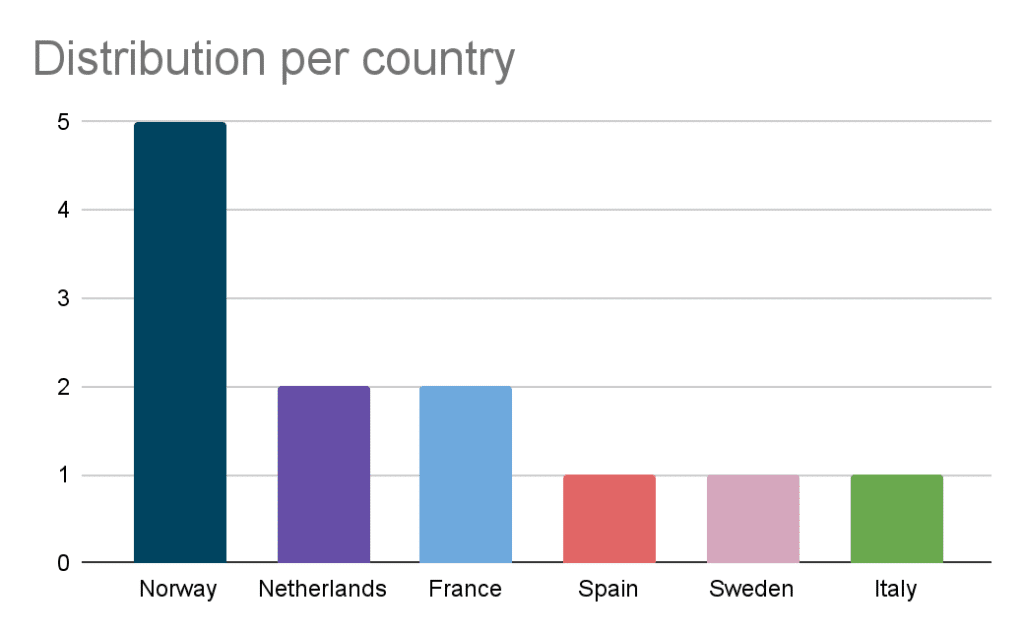
Figure 1. Maritime projects EUIF: Distribution per countries.
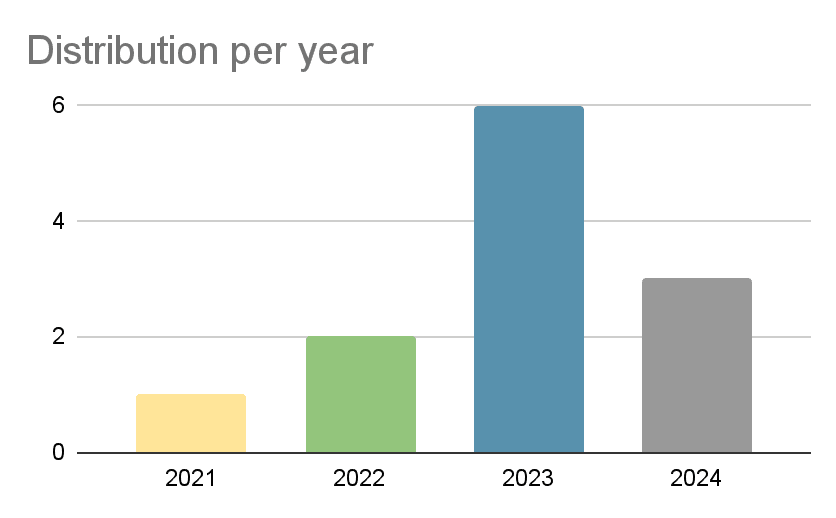
Figure 2. Maritime projects EUIF: Distribution per year.
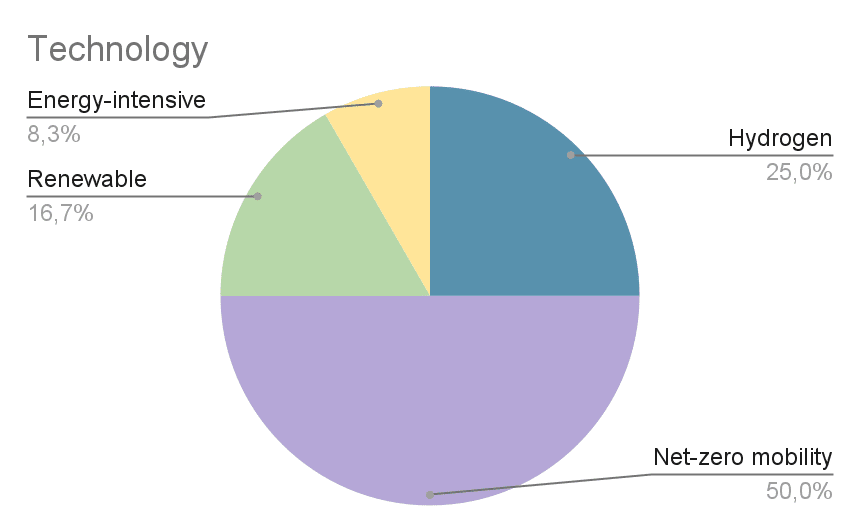
Figure 3. Maritime projects EUIF: Distribution per technology type.
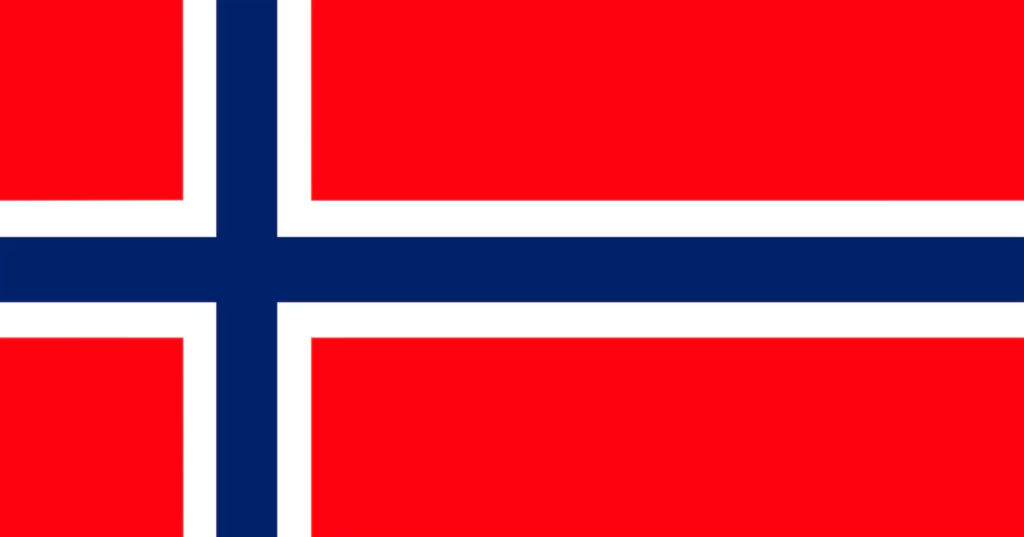
Maritime Projects approved in Norway
PROJECT “RjukanH2”: Hydrogen plant
New hydrogen plant in Rjukan, Telemark in Norway. From Rjukan, Norwegian Hydrogen will supply green hydrogen to both existing and new customers in southern Norway and parts of Sweden, offering predictable and competitive terms. When the facility is completed at the end of 2027, it will have an electrolysis capacity of 25 MW. The company is also considering starting some production ahead of full completion.
Grant amount: Not disclosed
Type: IF24Call – General medium-scale
Category: Hydrogen
Sector: Maritime
GHG emissions avoidance: Not disclosed
Partners: Norwegian Hydrogen AS, Nel ASA, Aker Horizons
PROJECT “Gen2-LH2”: Delivering green fuel to the Norwegian maritime sector.
Gen2 Energy, based in Mosjøen, will produce green hydrogen specifically for the maritime sector, which marks a breakthrough for value creation and emission reductions in Norwegian shipping.
Grant amount: NOK 719 million
Type: IF24Call – General medium-scale
Category: Hydrogen
Sector: Maritime
GHG emissions avoidance: Not disclosed
Partners: Gen2 Energy
PROJECT “HammerfestH2”: A hydrogen production project located in Norway
The project focuses on producing renewable hydrogen via electrolysis powered by Norwegian hydropower and aims to supply hydrogen primarily for maritime bunkering, targeting shipowners along the Norwegian Coastal Route and the offshore oil and gas industry in Hammerfest.
Grant amount: €21.9 million
Type: IF24Call – General medium-scale
Category: Hydrogen
Sector: Maritime
GHG emissions avoidance: Not disclosed
Partners: GreenH, Infranordic, Norsk Vannkraft
PROJECT “CORMORANT”: Large-scale manufacturing faCility Of innovative electRic MOtors for maRitime trANsporTs
It represents the first commercial deployment of this advanced hydrogen process, focusing on producing renewable hydrogen with low emissions. The project is significant for its use of innovative technologies aimed at scaling clean hydrogen production, contributing to Norway’s green transition and decarbonisation goals.
Grant amount: Not disclosed
Type: IF23Call – General medium-scale
Category: Net-zero mobility and buildings
Sector: Maritime
GHG emissions avoidance: Not disclosed
Partners: Evoy, Zeabuz
PROJECT “REACH”: REACH REMOTE
It aims to transform offshore and subsea operations by deploying advanced remote-controlled and autonomous Uncrewed Surface Vessels (USVs), which achieve up to 90% lower greenhouse gas emissions than traditional crewed vessels through electrification and automated technologies. This approach reduces environmental impact, operational costs, and personnel risk, while advancing sustainable innovation and decarbonisation in the maritime sector.
Grant amount: €14,300,000
Type: IF23Call – General medium-scale
Category: Net-zero mobility and buildings
Sector: Maritime
GHG emissions avoidance: 204,629 tonnes CO2 equivalent
Partners: Reach Subsea AS, Wilhelmsen new energy, TotalEnergies
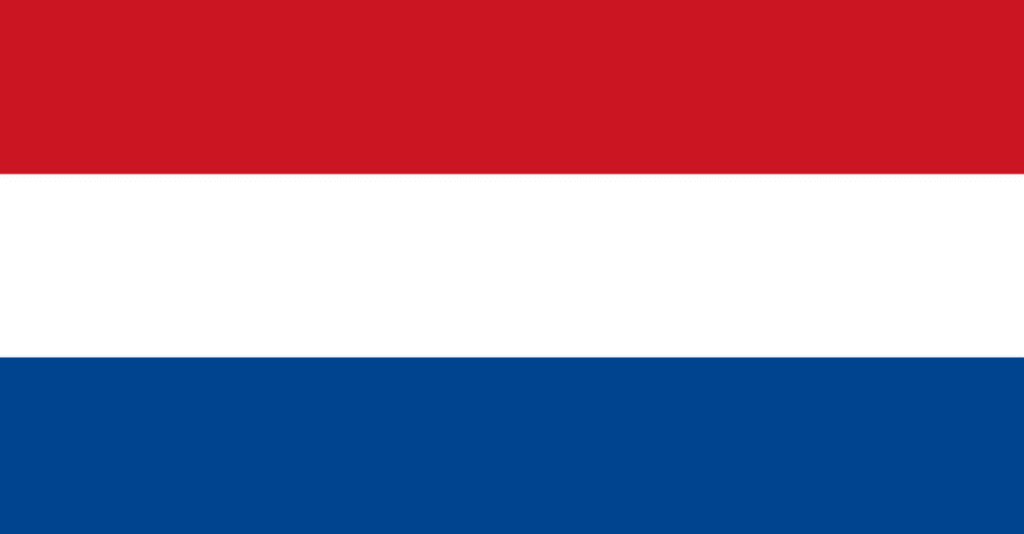
Maritime Projects approved in the Netherlands
PROJECT “H2ydroShuttle”: First of a kind high-speed zero emission short sea container service powered by multi-megawatt liquefied RFNBO hydrogen fuel cells
It is developing the first high-speed, zero-emission short-sea container vessels powered by multi-megawatt hydrogen fuel cells, integrating innovative technologies like wind-assisted propulsion and waste heat recovery to maximize efficiency and safety. This project demonstrates the viability of renewable hydrogen for maritime transport and aims to achieve up to 100% emissions reduction compared to traditional fossil-fueled container ships, with scalable impacts across Europe’s shipping sector.
Grant amount: €47,140,000
Type: IF23Call – General medium-scale
Category: Net-zero mobility and buildings
Sector: Maritime
GHG emissions avoidance: 363,971 tonnes CO2 equivalent
Partners: NAVCO BV, Samskip Holding B.V., Samskip Multimodal B.V.
PROJECT “H2Sines.Rdam”: Maritime supply chain of renewable liquid hydrogen from the Port of Sines in Portugal to the Port of Rotterdam in the Netherlands
The H2Sines.Rdam project aimed to demonstrate a maritime supply chain of renewable liquid hydrogen, transporting it from the Port of Sines in Portugal to the Port of Rotterdam in the Netherlands.
Grant amount: Not disclosed
Type: IF22Call – General small-scale
Category: Energy-intensive industries
Sector: Maritime
GHG emissions avoidance: Not disclosed
Partners: G.D.F. International

Maritime Projects approved in France
PROJECT “EO2”: Energy Observer 2 – The world’s lowest carbon cargo ship in the world
It is building the world’s lowest carbon cargo ship, powered entirely by liquid hydrogen and advanced fuel cells, to achieve near-zero emissions in commercial maritime freight. The ship will demonstrate 100% hydrogen operational capacity and aims for up to 98% lower greenhouse gas emissions compared to conventional diesel cargo vessel routes, setting new standards in energy efficiency and safety for the future of sustainable shipping.
Grant amount: €40,000,000
Type: IF23Call – General medium-scale
Category: Net-zero mobility and buildings
Sector: Maritime
GHG emissions avoidance: 112,249 tonnes CO2 equivalent
Partners: Asset CO EO2, EO CONCEPT, ENERGY OBSERVER, ENERGY OBSERVER DEVELOPMENTS
PROJECT “SWAP27ero”
It will create the first zero-emission, ocean-going cruise ship able to carry 400 passengers for 30 days by combining wind propulsion, solar panels, renewable hydrogen, and liquefied methane using advanced fuel cells and energy management systems. This innovative multi-energy design targets an 80% reduction in greenhouse gas emissions versus reference levels and showcases scalable solutions for integrating high-power fuel cells and renewable energies into maritime vessels.
Grant amount: €40,000,000
Type: IF23Call – General medium-scale
Category: Net-zero mobility and buildings
Sector: Maritime
GHG emissions avoidance: 104,089 tonnes CO2 equivalent
Partners: ARVAG, COMPAGNIE DU PONANT, BUREAU VERITAS MARINE & OFFSHORE REGISTRE INTERNATIONAL DE CLASSIFICATION DE NAVIRES ET DE PLATEFORMES OFFSHORE.
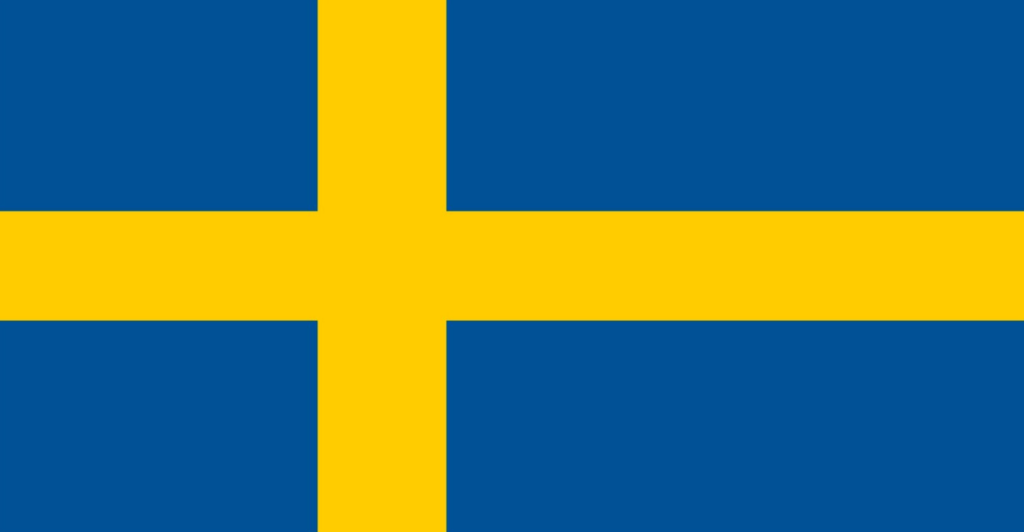
Maritime Projects approved in Sweden
PROJECT “EMETHANOLxWSolution”: Next Generation tanker vessel powered by e-methanol and wind assisted propulsion
It focuses on developing a next-generation tanker vessel powered by e-methanol fuel combined with wind-assisted propulsion to enhance energy efficiency and reduce greenhouse gas emissions. The vessel integrates innovative hybrid solutions, including methanol-powered engines and wind propulsion technologies, to advance fossil-free shipping and lower the maritime sector’s carbon footprint.
Grant amount: €2,755,885
Type: IF22Call – General medium-scale
Category: Renewable energy
Sector: Maritime
GHG emissions avoidance: 44,815 tonnes CO2 equivalent
Partners: TARNTANK SHIP MANAGEMENT AB

Maritime Projects approved in Spain
PROJECT “SUSTAIN-SEA”: Reducing maritime transport CO2 emissions using wind
The SustainSea project deploys bound4blue’s innovative rigid eSAIL® wind propulsion system on five large cargo vessels to reduce fuel consumption and greenhouse gas emissions by up to 91% compared to reference levels. This wind-assisted propulsion technology enhances energy efficiency in maritime transport, supports compliance with evolving EU and IMO regulations, and fosters a new value chain in wind energy systems within Europe, contributing to sustainable shipping and regional economic growth.
Grant amount: €4,098,569
Type: IF21Call – General medium-scale
Category: Renewable energy
Sector: Maritime
GHG emissions avoidance: 46,789 tonnes CO2 equivalent
Partners: BOUND 4 BLUE SL

Maritime Projects approved in Italy
PROJECT “INDIGO”: Pioneering Passenger Ship Decarbonisation Platform: Retrofitting for Enhanced Operational Efficiency and Emissions Reduction
It aims to retrofit a large passenger cruise ship with a hybrid energy system enabling the flexible use of renewable fuels (such as e-methanol), battery storage, and electrification, resulting in significant reductions in greenhouse gas emissions and air pollutants while improving operational efficiency and supporting industry transition to sustainable maritime fuels. This innovative platform sets a new standard for decarbonisation in the maritime sector and is designed to be replicable for widespread adoption across large passenger vessels.
Grant amount: €54,100,000
Type: IF23Call – General medium-scale
Category: Net-zero mobility and buildings
Sector: Maritime
GHG emissions avoidance: 564,341 tonnes CO2 equivalent
Partners: Princess Cruise LInes LTD
Images by Freepik.
Article written by Sara Gavidia.